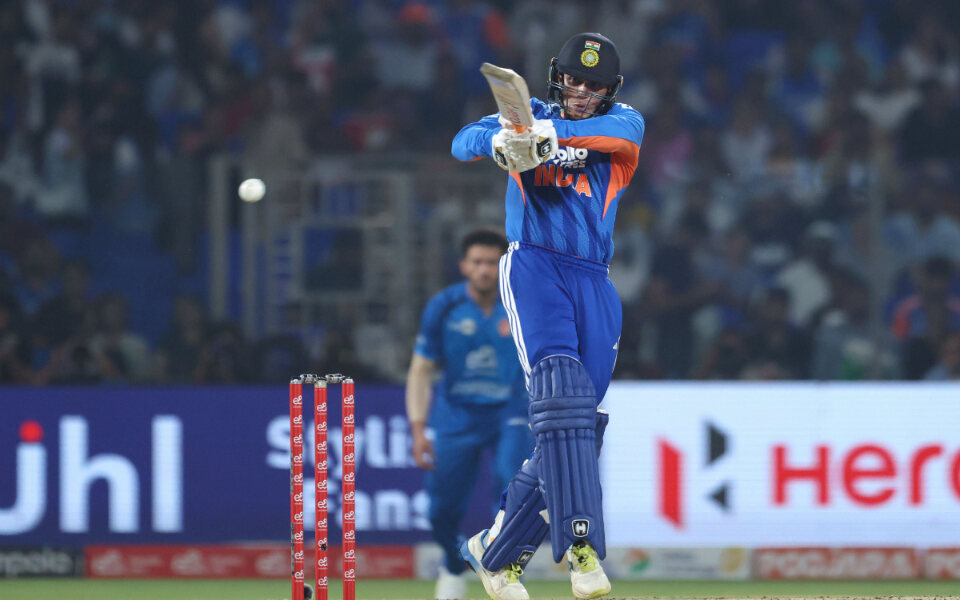
India fell short by 24 runs against West Indies in the fourth T20I played in Hyderabad on October 14, 2026. West Indies posted 247 for three, while India managed 223 in their chase. The loss levelled the series at 2-2, with a decider scheduled for Bengaluru on October 17.
Sunil Gavaskar highlighted the need for Indian batters to demonstrate greater responsibility during chase innings following the defeat. The former India captain expressed his views on the team's batting approach, emphasising that the side must improve its chasing strategy to succeed at the highest level.
"The first thing this Indian side needs to improve is how they chase. The batting unit needs to show more responsibility. If the batters don't take responsibility, this Indian side will not succeed," Gavaskar said on JioHotstar.
Gavaskar pointed to the specific conditions and the team's expected standard as reasons for concern. He noted that India's recent World Cup success should translate into dominant batting performances when the situation demands it.
"On a pitch like this, with the dew coming in, you have to show the kind of dominance with the bat that a back-to-back T20 World Cup-winning team should, but that was missing completely in this game," Gavaskar said.
Sanju Samson provided India with a strong start, scoring 56 off 23 balls. However, Gavaskar felt the remaining batters failed to build on this foundation. He specifically addressed Abhishek Sharma's contribution in the match, noting that the young batter's performance fell short of expectations.
"Sanju gave India a great start, but the rest of the batters didn't capitalise at all. Abhishek Sharma played a poor knock, which is not acceptable by his standards. Ishan Kishan fell right into Keemo Paul's trap, and Shreyas Iyer has not got going since his hundred," Gavaskar said.
Keemo Paul was the standout bowler for West Indies, claiming five wickets in the match. Gavaskar acknowledged the bowling challenges India faced but contextualised them within the team's overall performance expectations. He noted that the inexperienced bowlers would need to learn from being hit for boundaries rather than being protected.
"Yes, I know the bowling has been poor, but these bowlers are not experienced. They are new to international cricket, and they will need to get hit for boundaries; otherwise, they will not learn," Gavaskar said.
Gavaskar drew a contrast with West Indies batter Alick Athanaze, whose approach in the series demonstrated controlled aggression. The former captain highlighted how Athanaze's technique and shot selection allowed him to score quickly without excessive risk, presenting a model of disciplined batting that India's middle order lacked in the match.
"Hope has been a problem for India in this white-ball series, and what stands out is that he does not rely on blind slogging. He backs his natural game and picks his gaps. That is why he scores so quickly without taking too many risks." Gavaskar said.